
Building a Luxury E-commerce Brand From Scratch - Case Study
Role: E-commerce Brand Builder & Strategist
Company: Confidential / Personal Brand Project
Project Name: Luxury E-commerce Growth Infrastructure
Timeline: 8–12 weeks (Foundation Phase)
Industry: Luxury E-commerce
Tools Used: Woocommerce, Meta Pixel, Meta Conversions API (CAPI), Google Analytics, Google Search Console, PageSpeed Insights, SEO tools, Product 3D/360° tools
This project wasn’t about launching a store.
It was about building a scalable luxury e-commerce system from day one designed to grow without breaking as traffic and spend increase.
1. Designed a Luxury-First UX
2. Product Listing & Merchandising Strategy
3. Structured the Catalog Before Ads
Clean product data
Logical category hierarchy
Meta-ready attributes and variants
4. Implemented Tracking Before Scaling
Meta Pixel + CAPI
Google Analytics
Clean event mapping
5. Optimized Performance & SEO Foundations
Site speed
Core Web Vitals
Indexable product pages
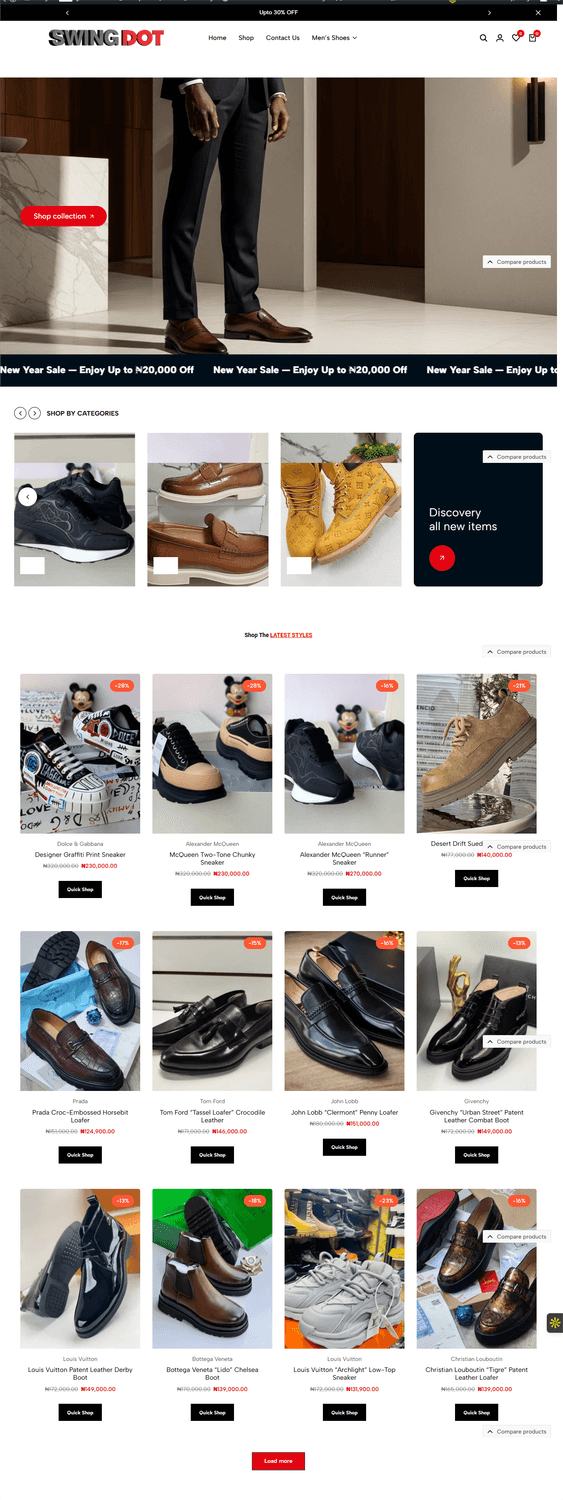
Designed a Luxury-First UX That Converts
Luxury buyers respond differently than mass-market shoppers. Instead of cluttered layouts and aggressive discounts, I focused on:
Clean, intentional page design
Premium product presentation and spacing
Clear but subtle conversion paths
A frictionless checkout experience
Every design decision balanced brand perception with conversion efficiency.
Product Listing & Merchandising Strategy
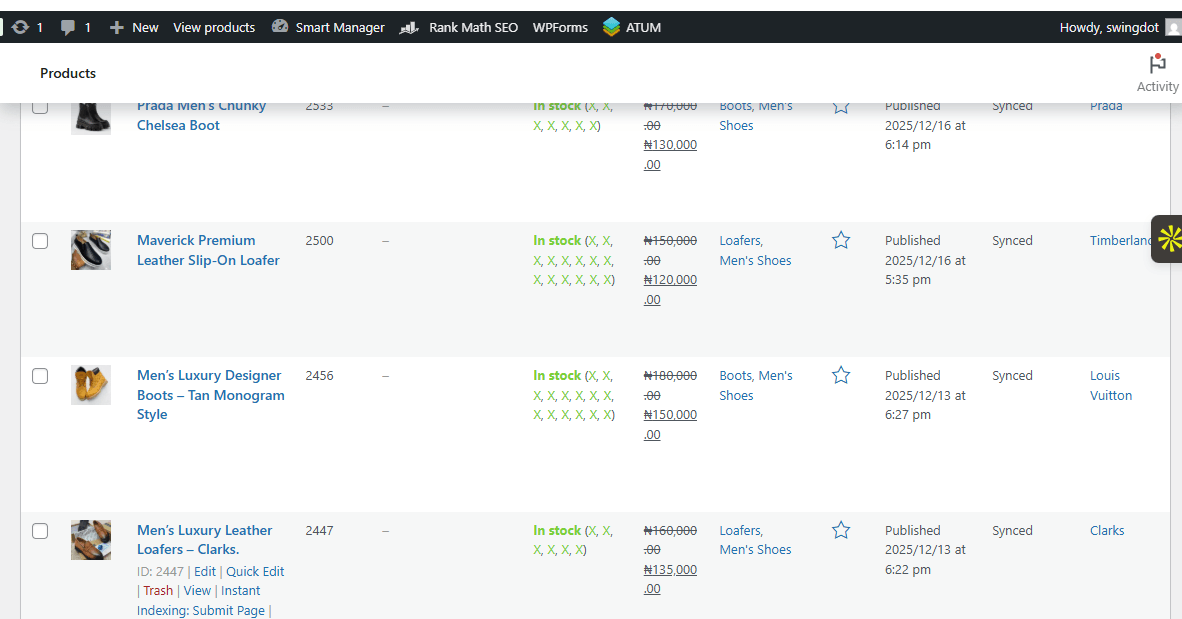
Product listings were treated as sales pages, not inventory entries.
Each product page was intentionally built to:
Clearly communicate value and craftsmanship
Reduce buyer hesitation through clarity and structure
Support luxury positioning without overwhelming the user
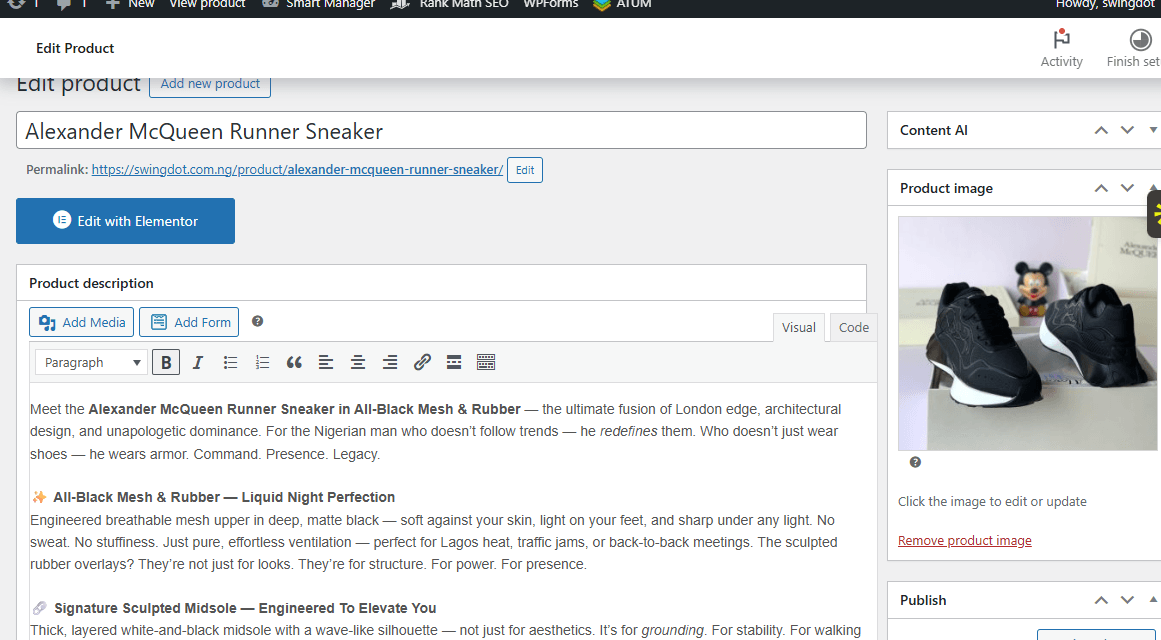
Key focus areas included:
Clear, benefit-led product descriptions
Consistent product naming and variant logic
High-quality visual presentation aligned with the brand aesthetic
Structured information flow (features, sizing, materials, care)
The goal was to ensure every product page could convert traffic independently, whether it came from organic search, social media, or paid ads.
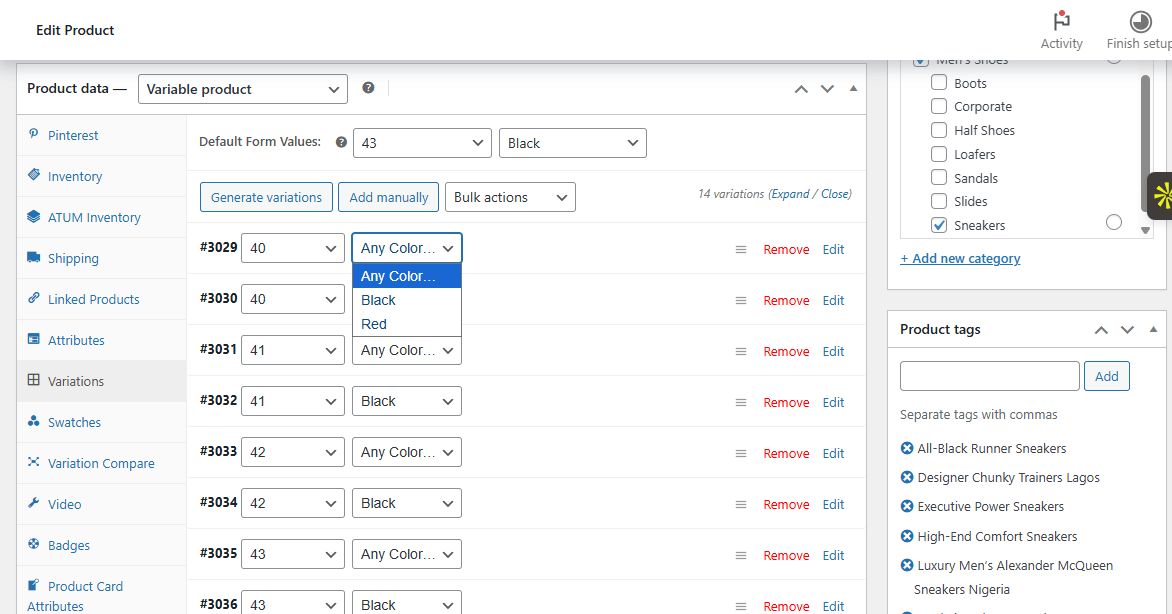
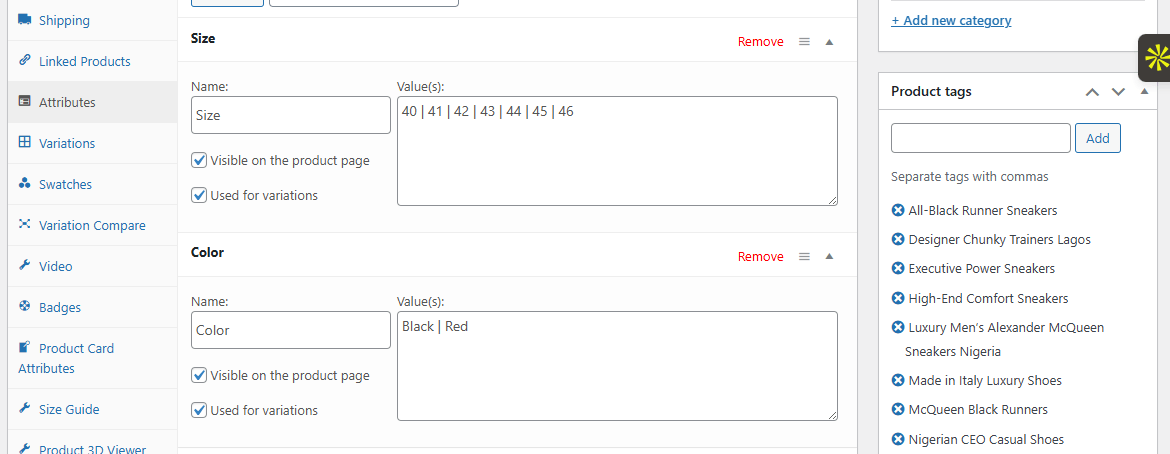
Built the Catalog Before Running Ads
Before touching paid traffic, I structured the product catalog to support scale:
Clean and consistent product data
Logical category hierarchy
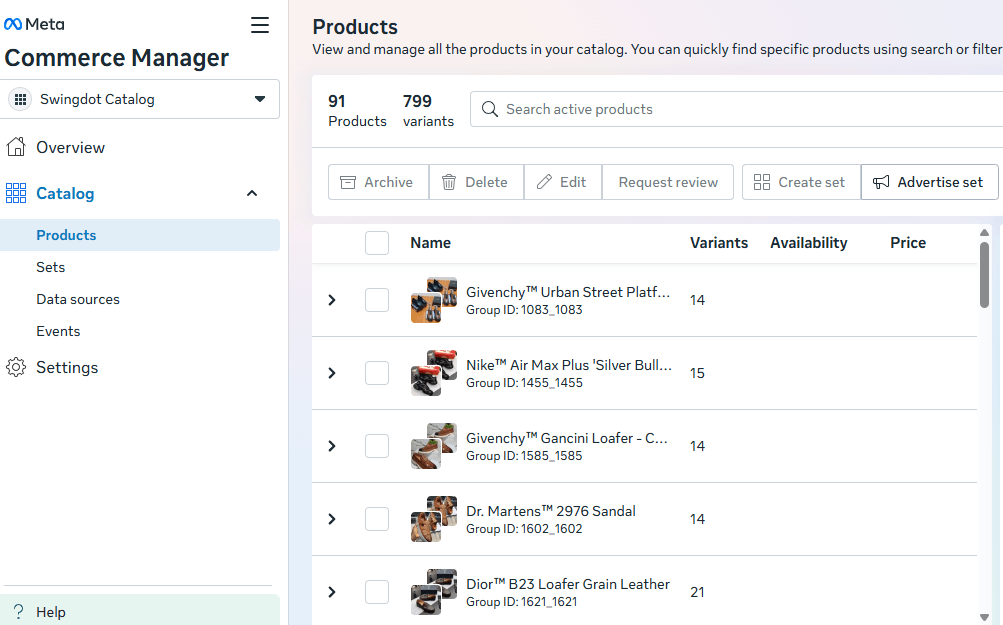
Meta-ready attributes for catalog ads
SEO-friendly URLs and internal linking
This ensured the store could support catalog ads, dynamic retargeting, and organic discovery without breaking under spend.
Implemented Tracking Before Scaling
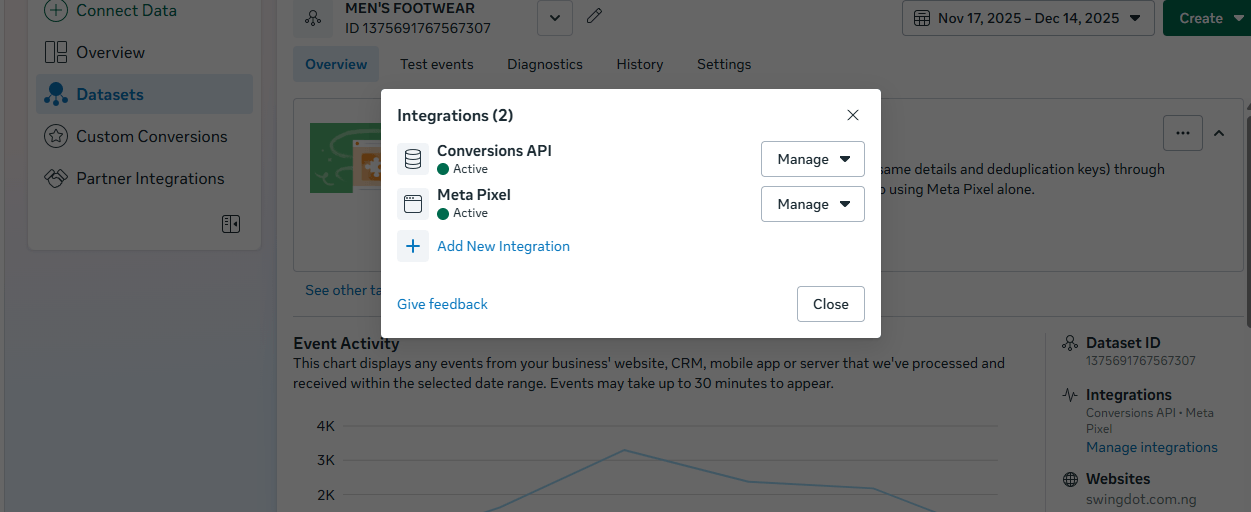
Rather than relying on browser-side tracking alone, I implemented:
Meta Pixel + Conversions API (CAPI)
Google Analytics for behavioral insights
Clean event mapping for key actions:
ViewContent
AddToCart
InitiateCheckout
Purchase
This created a reliable, server-backed tracking system, ensuring accurate data and optimization signals before any ad scaling.
Optimized Performance and SEO Foundations
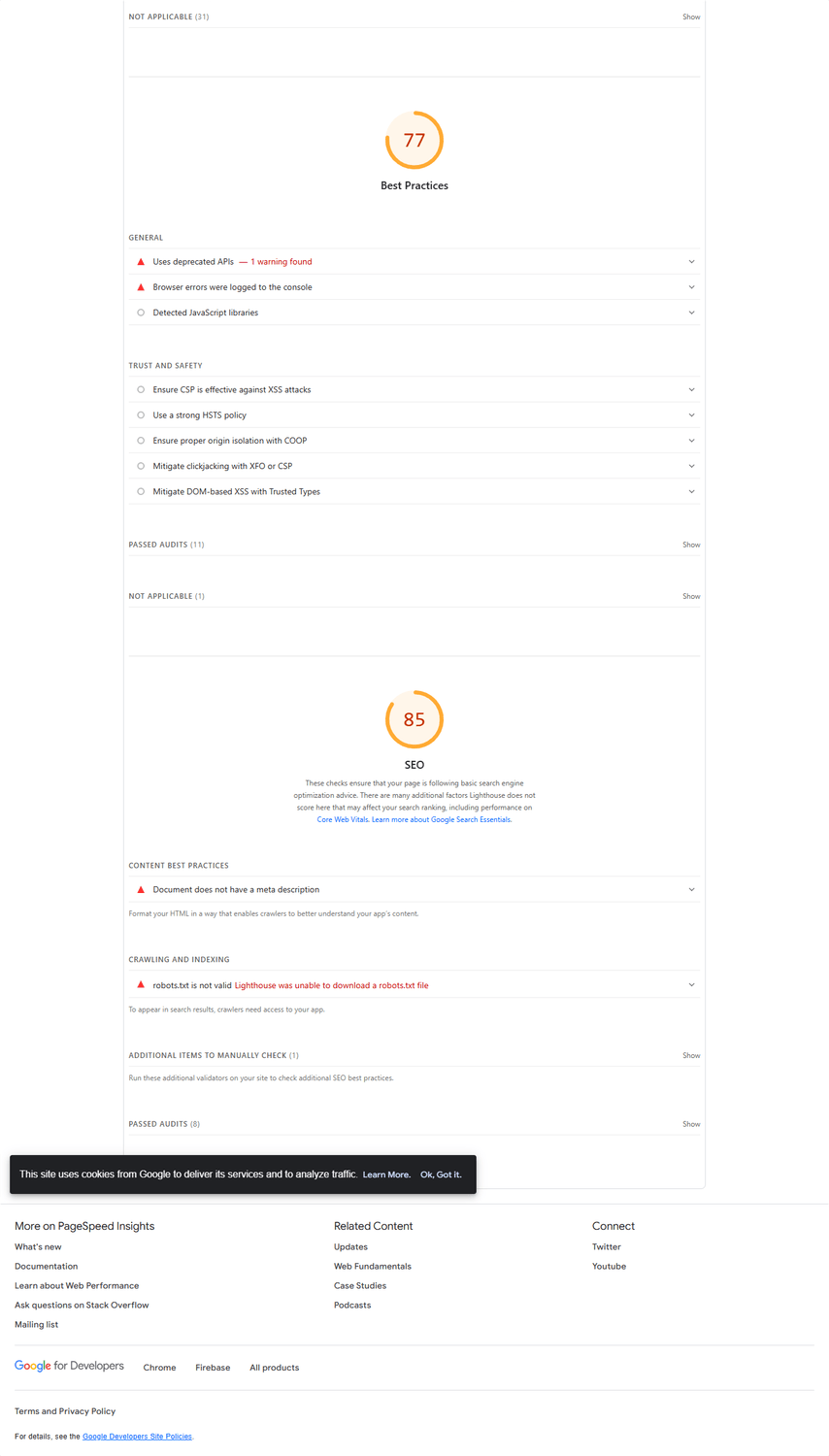
Performance and SEO were treated as revenue levers, not technical afterthoughts:
Improved site speed and mobile performance
Optimized Core Web Vitals
Ensured indexable product and category pages
Built a clear internal linking structure
These improvements benefit every traffic source—paid, organic, and direct.
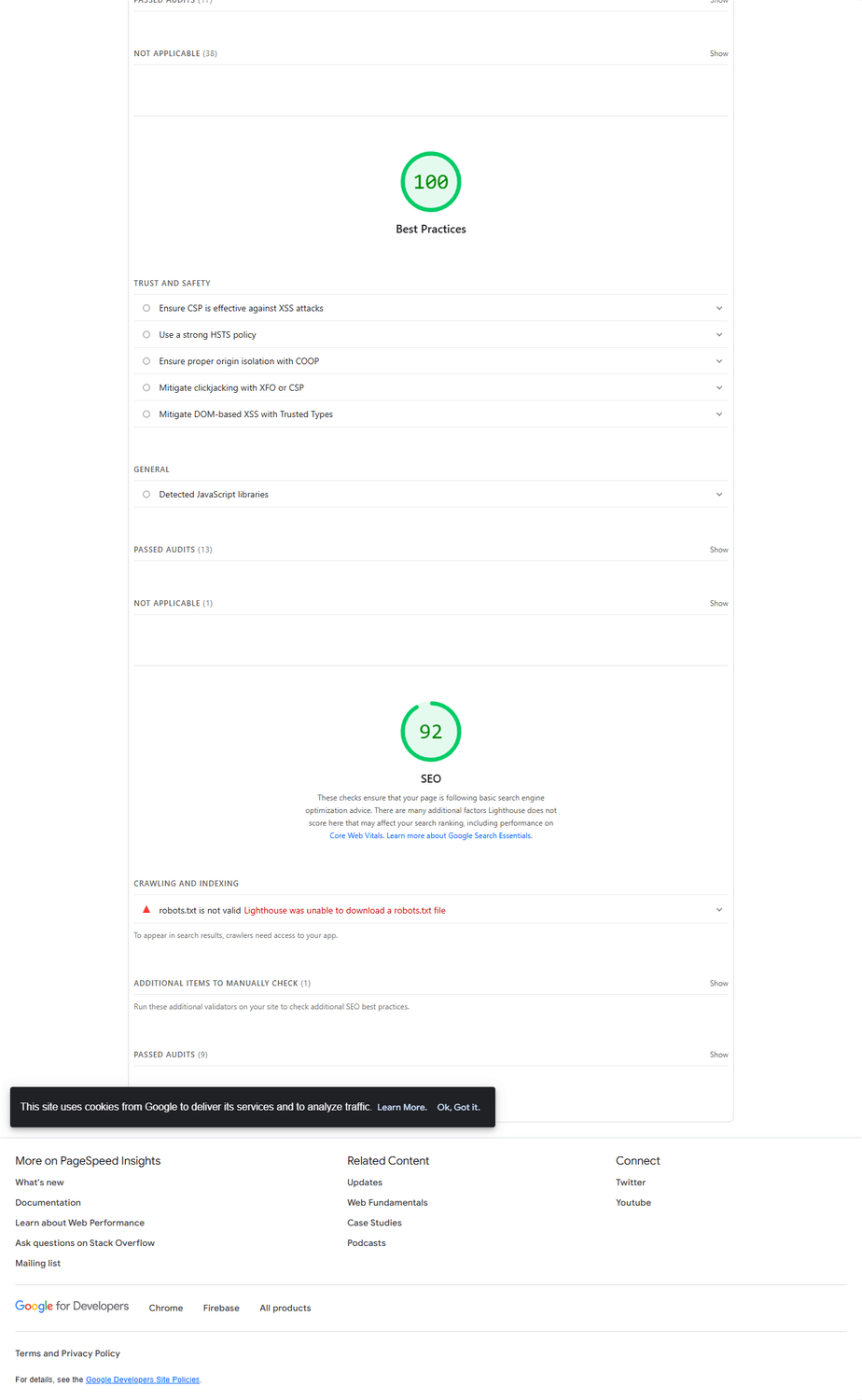
Result
While the brand is still evolving, the foundation is built for scale:
Luxury-focused UX that increases perceived value and trust
Clean, scalable catalog structure ready for Meta ads
Accurate tracking with reduced data loss and cleaner optimization signals
Faster load times and improved mobile experience
SEO-ready architecture that compounds over time
Reduced risk when scaling paid traffic
Outcome:
Instead of guessing with ads, the brand now operates on clarity, data, and leverage—allowing future spend to scale efficiently rather than exposing weak foundations.
This project reflects how I think as an owner, not a campaign manager. Luxury e-commerce growth doesn’t start with ads.
It starts with structure, performance, and reliable data.
The store is live, refining continues—but the foundation is built to scale.
YOU MIGHT ALSO LIKE

Live Life Like You Mean It


2025 ©samuelEcom